But what is never explained is how children reach a situation where they cannot bond with an adoptive parent. The most important thing is to understand the atmosphere in a baby house, an orphanage for infants 0-4 years old.
This is how an experienced visitor to Russian state institutions (actually, my wife Sarah) describes them:
"When you go in, the first thing you notice is the silence. You may enter a room full of small babies. But none of them is crying. Crying is not responded to, so they learn there is no point. Groups of children are kept behind locked doors. The staff work 24-hour shifts, so they want to keep the children quiet and passive. The children spend long hours in bed in the afternoon, and in many institutions are given sedatives to encourage them to sleep.
"To the untrained visitor, the todders exhibit signs of autistic behaviour. For example, they do not make eye contact. This must surely be because they get no individual attention. The staff are discouraged from bonding with them: this is to spare the carers heartache when the chilren are moved on to another institution at the age of five. The rooms can be bright, clean and well decorated (not like Romania in the 1980s) with toys on display, but these are often
only for show."
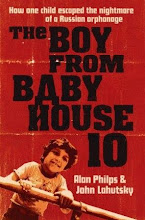
Some children can overcome these terrible conditions of neglect. I'm no child psychologist but it is clear that the first 18 months of a baby's life are crucial. During that period the child learns to interact with adults and to bond with one particular person. If the baby is deprived of that experience at that time, it results in mental, emotional and even physical retardation. Of course there are rare cases where a child can bond with a carer in defiance of the regime of the baby house. This is what happened to John Lahutsky, the hero of my book The Boy from Baby House 10, whose story is one of exceptional triumph over adversity in terrible conditions of abuse and neglect. John had the advantage of living with his birth parents for the first year and a half of his life, during which he learned how to connect with people. It was a life lesson that saved his life. Not all products of the Russian orphanage system have his advantages or his character.



No comments:
Post a Comment